
Asset Connect educates new customers with Usetiful onboarding experiences


Asset Connect is an online platform for energy asset monitoring and management. Customers can connect their electricity generating assets, such as wind, solar or hydroelectric power plants, without having to buy additional hardware. Asset Connect presents energy production reports in a powerful dashboard, and Usetiful onboarding tours are used to guide new users to connect their assets, create and view reports and more.

The Product tours are organized into a User Onboarding Checklist.
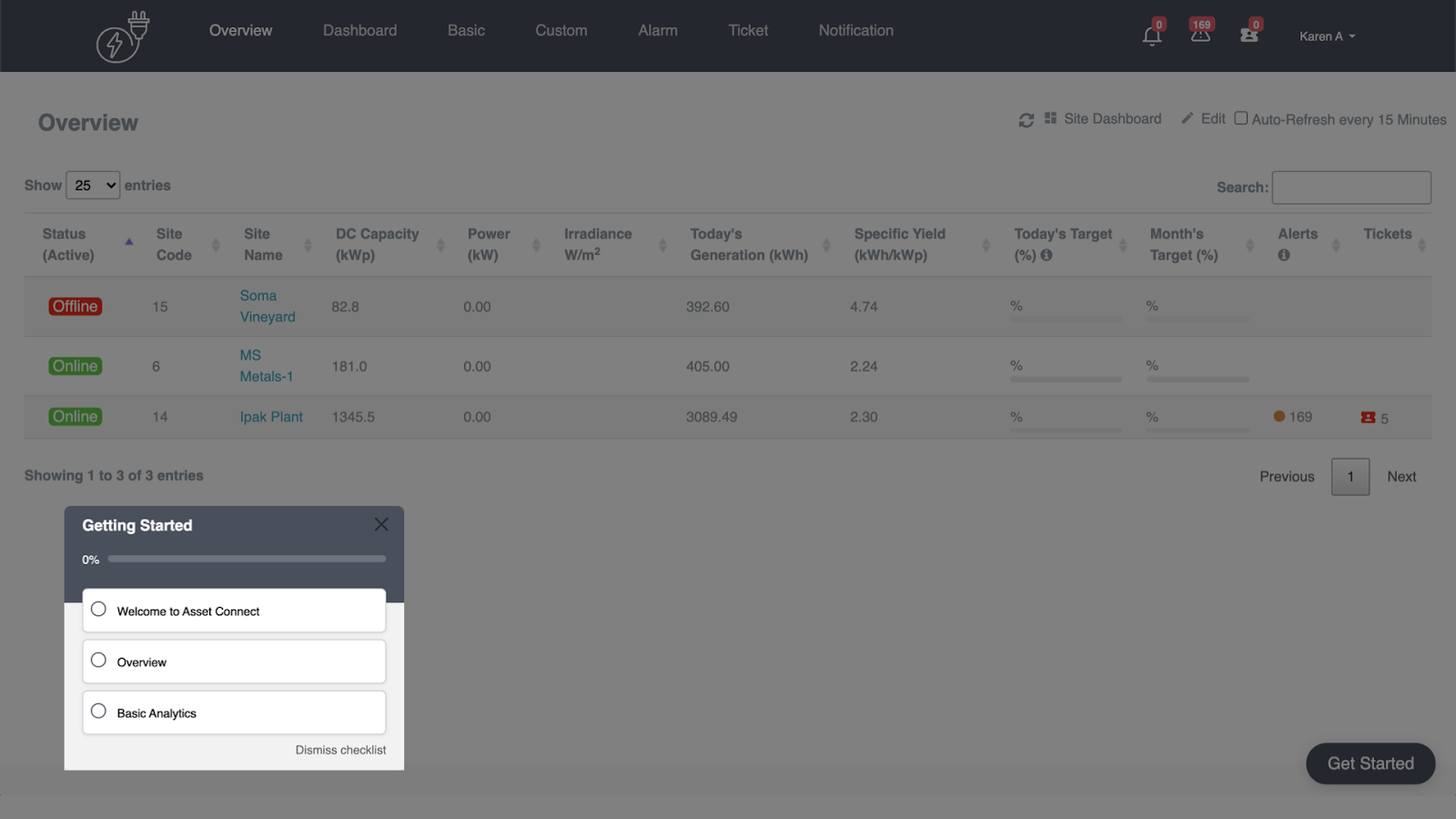
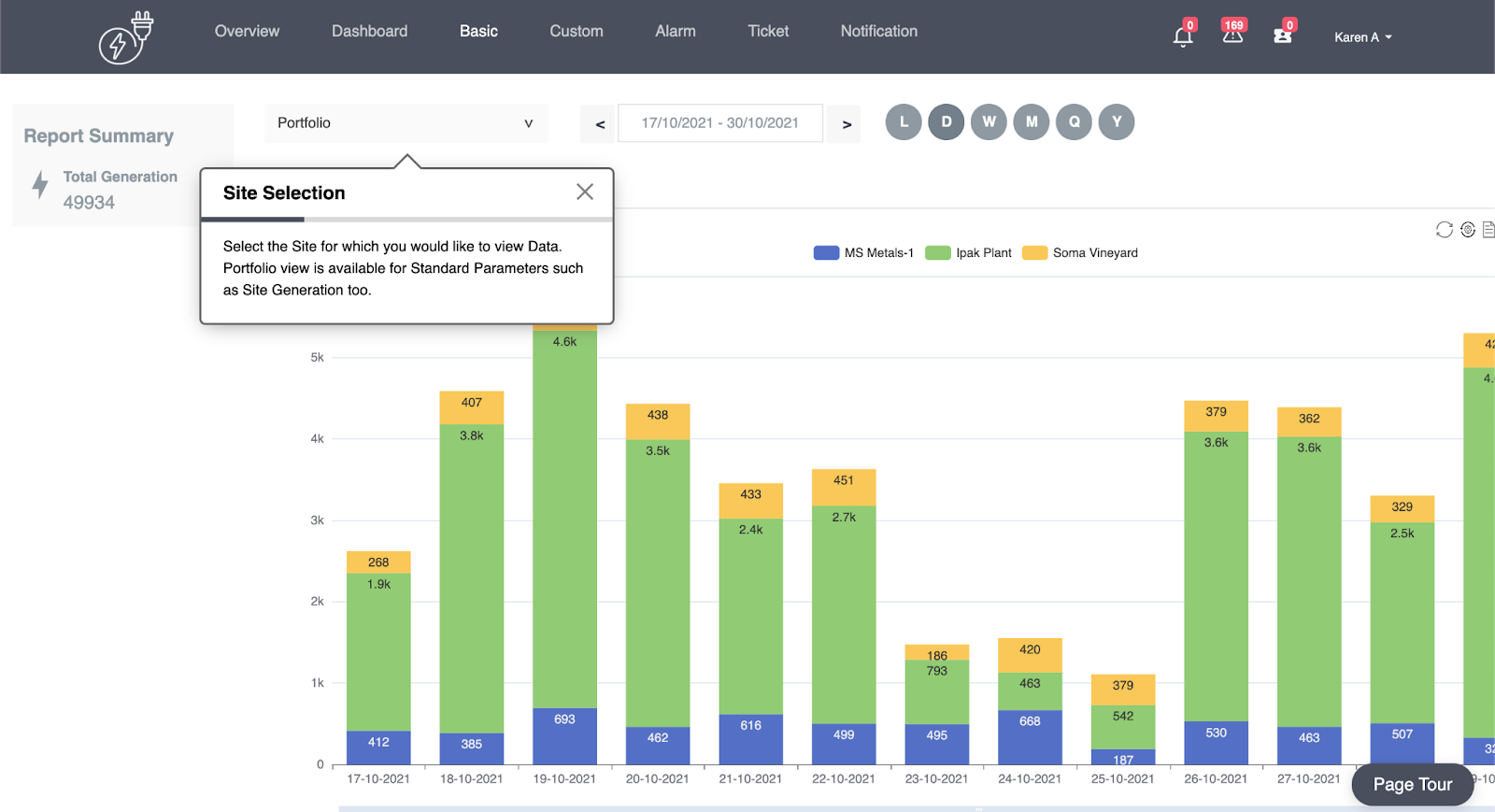

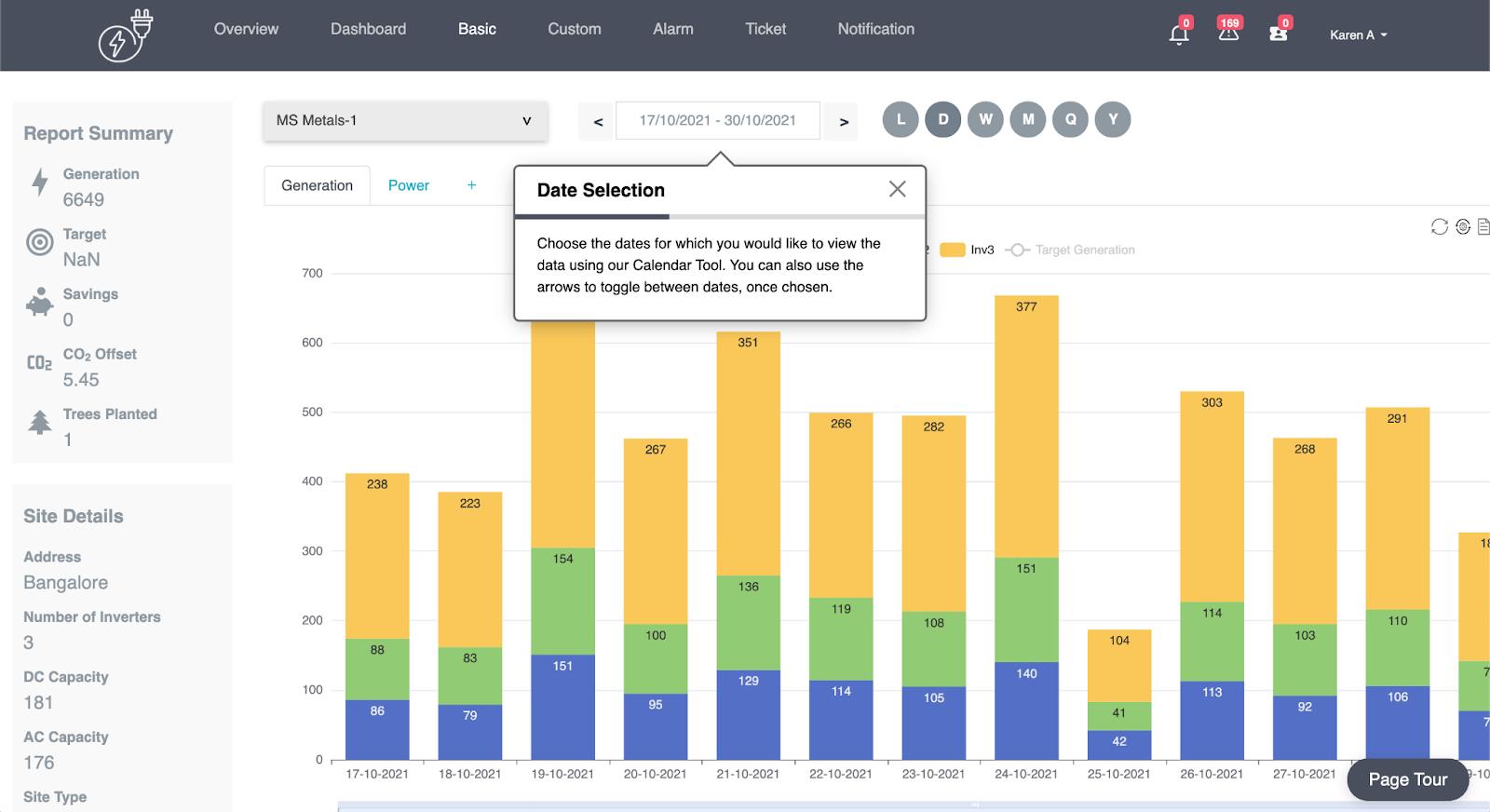
Asset Connect uses the learn-by-doing approach to educating new customers. In some of their tours there are no “next” or “previous'' buttons for users to navigate through tour steps. Instead, users are nudged towards completing actions by themselves, and this way learning the possibilities of the platform.


The Product Tour seamlessly integrates into the user experience. Tour content flexibly adapts as the user progresses into the product, recommending the next steps, but leaving users to explore the platform on their own. With this design principle, guided onboarding feels like an integral part of the product.


Having a great user onboarding experience is crucial to increase feature discovery and user adoption. Even more so in the case of online dashboards, such as Asset Connect.

If you are looking for an efficient way to educate and retain users, onboarding tours and user onboarding checklists are the best choice to help new users in a delightful, easy to implement and measurable way.


Popular posts from this blog

4 Types of Customer Satisfaction Survey and Their Best Practices

  A customer satisfaction survey is a fantastic tool for gathering information from current and past users. They can help your customer success teams understand the areas where your business is doing well — and where you’re lacking. Leveraging this information allows you to improve the customer experience, retain users, and even build loyalty. Image by Freepik In this article, we'll look at the four most valuable types of customer satisfaction surveys and some of the best practices you can employ to make them work. What is customer satisfaction? Customer satisfaction measures how your products or services meet customer demand. It's a strong gauge of the overall customer experience users have with your brand. Customer satisfaction can seem like a nebulous concept. However, there are many great surveys that can help you understand how your users feel about your product or service. Benefits of customer satisfaction surveys Running a customer satisfaction survey has many benefits. ...

How to create interactive walkthroughs like Canva

Thinking about how to unleash the full potential of your about-to-launch web app? Discard using the conventional product tour and embrace the utilization of a tailor-made interactive walkthrough. Instead of showing your customers a simple how-to-use-my-product demo, create an interactive guide to help them fully grasp your product’s functionality. You are guaranteed to attract new users and make the existing ones stay. Remember that showing users your product’s unique features is not always the best onboarding strategy. Showing while doing it is. Enticing your new users to actually experience using the app during the onboarding process is the most efficient way to engage them. This is what we call product adoption . It should be your primary goal in your user onboarding process – to increase the possibility that users are driven to adopt your product and eventually increase user retention rate.  Interactive Walkthrough vs. Product Tour Walkthroughs and product tours are almost simi...

Metrics That Are Better Than NPS?

  Net Promoter Score (NPS) is a deceptively powerful and widely used metric for measuring customer loyalty and satisfaction. It works because it asks one simple question: On a scale of 0 to 10, how likely are you to recommend our product to a friend or colleague? From there, respondents are split into one of three groups, which are: Promoters (9-10): Loyal, enthusiastic advocates for your product. Passives (7-8): Users who are happy enough but could switch to a rival product under the right circumstances.  Detractors (0-6): Unsatisfied customers who are more likely to complain to friends or social media about your product. Once you have counted your responses, you get your NPS score by subtracting the percentage of Detractors from the percentage of Promoters.  However, not everyone loves the NPS score. Here are a few of the weaknesses associated with the customer loyalty metric. It’s too simple to capture the true complexity of customer sentiment. People who respond to...