

The last few years of software development have been all about the customer experience. Developers understand that the quickest path to success is to create fluid, intuitive applications that provide instant value.
Digital adoption platforms provide features like automated user onboarding that can help enhance the customer experience. With customer acquisition costs rising all the time, developers need all the help they can get to retain precious users.
New expectations
Software used to be a specialist thing. In the past, it was a domain of enthusiasts that only cared about what it could do. However, the rise of smartphones and personal computers as everyday items has changed everything.
These days, developers need to build products that people want to use. Customer experience has become paramount. With so much competition out there, even having a great piece of software will only get you so far.
Customers want more than just functionality. They want to feel relaxed and happy when they use software. The last thing they want is to feel lost and frustrated.
A great customer experience involves understanding each feature and function. It involves understanding exactly how a product can help you solve problems. But customers don't want to read long manuals or watch lengthy tutorials. They are impatient and want to learn on the job.
How to make your customers happy?
Product managers and customer success teams have been grappling with the question of how to make their customers happy for many years. With expectations and competition so high, it's not an easy task.
The answer to the question starts with understanding how customers feel when they use your products.
This kind of thinking is a huge priority in the industry. The rise of roles like user experience (UX) designer is evidence of how developers prioritize great personal experiences when they build products.
Industry trends are moving further towards more personalized customer experiences
The COVID-19 pandemic underlined the importance of digital adoption. Many businesses that had resisted digitalization up until that point found themselves in a difficult spot, unable to offer their services to their customers.
The companies that did provide a great experience thrived. 95% of customers say an excellent customer experience drives brand loyalty. A digital-first approach is necessary for businesses that want to acquire and retain users.
Surviving in this new age means being accessible. Modern customers want to be able to talk to businesses via their smartphones across a wide range of communication channels. But access isn't enough; they want those experiences to be personalized too.
The upshot of this is that customers are prepared to share their data if it leads to better experiences. Having access to this type of information is an essential part of delivering a better service.
By understanding customers and their preferences, products can be designed in a way that better suits their needs. The best products are data-driven from the start. They combine deep consumer research along with user behavior testing and analytics to deliver an exceptional customer experience.
How to thrive in a customer-focused era?
Meaningful user engagement can be the difference between success and failure. Developers spend years building products to solve pressing issues. But if customers don't connect with the application, it can all be for nothing.
Getting a product into your customer's hands isn't easy. It's expensive and time-consuming. Quite often, you only have one chance to impress.
The power of a digital adoption platform (DAP), like Usetiful, is that it can help your customers achieve value and meaning from your product. Users download applications because they have a pain point they want to solve. A digital adoption platform allows them to remove the roadblocks or friction that stop them from falling in love with the product.
By using a combination of features, like an interactive guide or a personalized product tour, users can learn about the product as they use it.
Most product managers know there is a particular set of actions that a user needs to do before they "get" a product. This “aha moment” is a crucial part of retention and acquisition. It's the special time when the true possibilities of a product open up before your customer's eyes, and they realize how their life will be just that little bit better thanks to your solution.
Automated user onboarding helps you deliver these experiences at scale.
Take the scheduling tool Calendify. For months, they struggled with user activation. They tried things like emails and tutorial videos. They gathered user data to see if they could figure out why customers weren't engaged. But nothing was working.
Calendify turned to Usetiful for help. They built a personalized product tour for their tool, and within a month, customer activation shot up by 25%
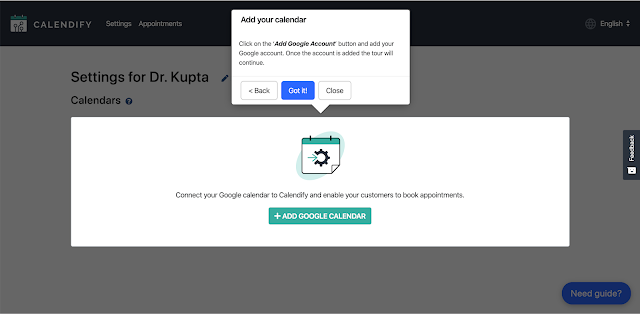
A personalized product tour is the epitome of the customer-focused approach. You can significantly enhance digital adoption by giving consumers access to things like an interactive guide.
Usetiful can help businesses get to the heart of what is missing from their customer experience. Teams can measure product engagement and get valuable feedback to improve their offering. Additionally, they can enhance their in-product messaging and strengthen customer relationships and engagement.


What’s more, Usetiful helps products save time and money in several ways. Customer success can be a drain on resources for products. Implementing a customer self-service solution gives consumers the help they want, 24/7.
You can use our digital adoption tool for automated user onboarding too. Instead of releasing a product into the wild and hoping that users figure out a way to get value, teams can create an interactive guide using checklists, tooltips, product walkthroughs, and more. These features can help ensure users get to that loyalty-boosting aha moment with minimal fuss.
Wrap up
Digital adoption is about creating a great customer experience. Acquiring and retaining users is only possible when they understand your product, and they feel happy and valued.
A digital adoption platform will help your users understand why you built your product. When users understand the value of a piece of software, they will incorporate it into their everyday life and even tell their friends and work colleagues how it solves a problem. And that, as we all know, is how you can unlock growth.